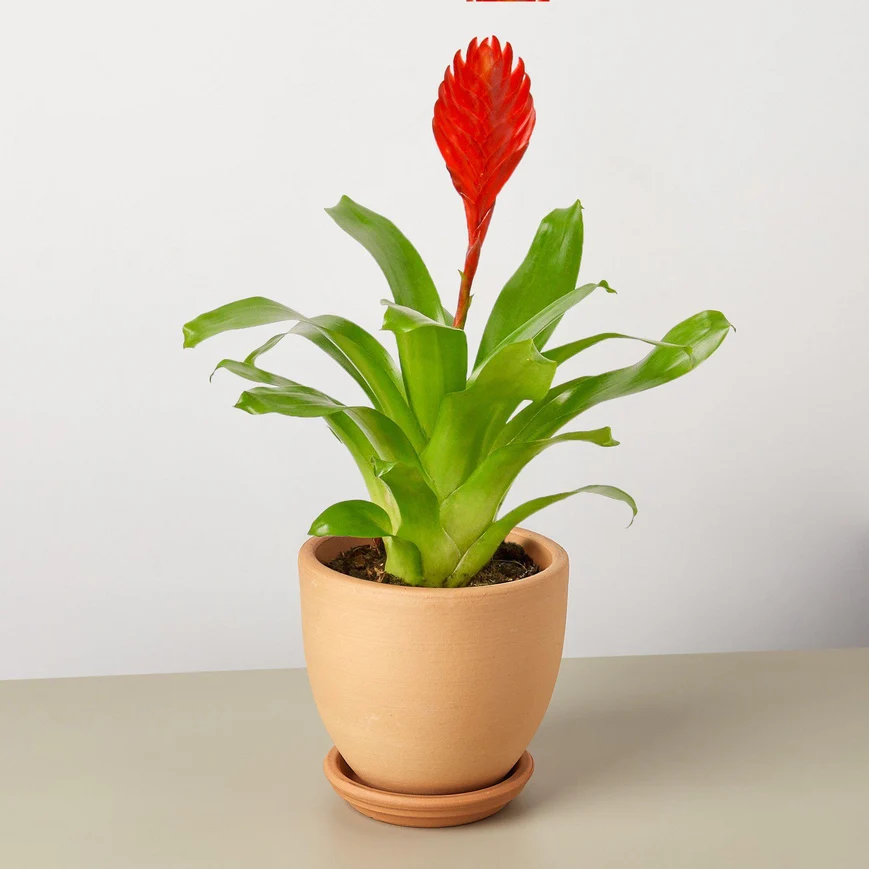
Bromeliad ‘Christiane’ is one of those plants that gets attention without taking up much room. Its broad green leaves grow in a neat rosette, while a bright red flower spike rises straight from the center.
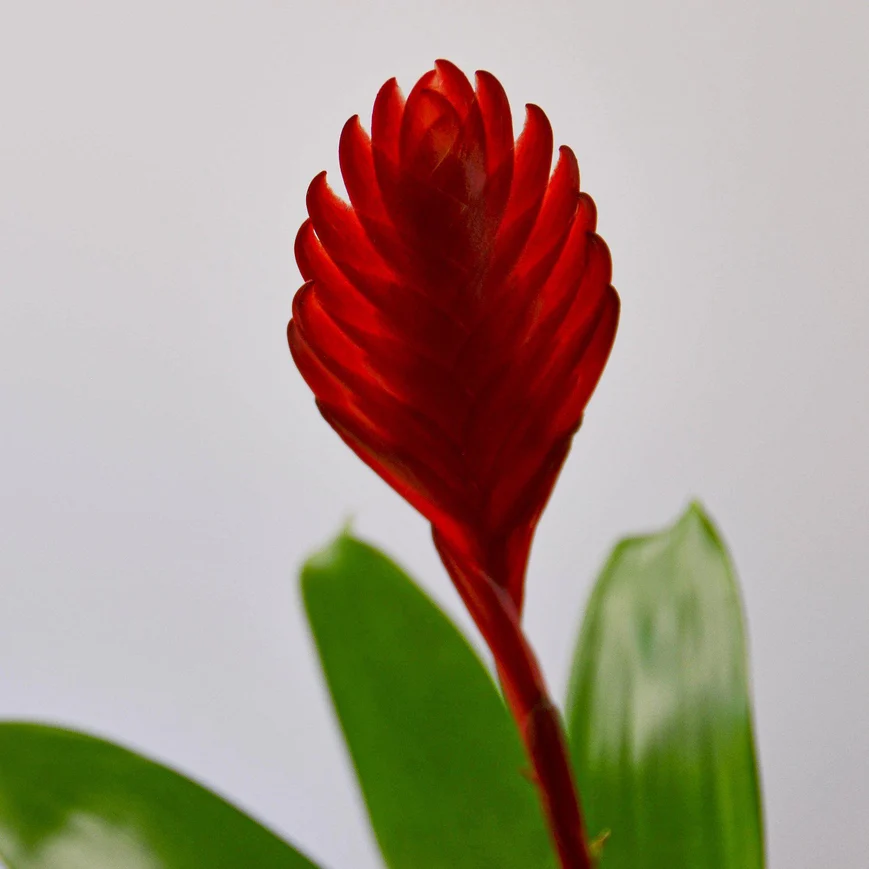
It is often sold simply as Christiane Bromeliad, but its botanical name is Vriesea ‘Christiane’. It belongs to the bromeliad family, the same large plant family that includes many popular tropical houseplants.
One thing worth knowing right away: the large red part is not actually the flower. It is made of colorful bracts. The true flowers are much smaller and usually yellow, appearing between the red bracts.
Christiane is easy to live with once you understand how bromeliads grow. It does not want to be treated like a regular potted plant, especially when it comes to watering.
It can also be grown outdoors, but only under the right conditions.
Here is what to know before adding one to your home, patio, or garden.
Bromeliad ‘Christiane’ at a Glance
| Feature | What to Expect |
|---|---|
| Botanical name | Vriesea ‘Christiane’ |
| Plant family | Bromeliaceae |
| Plant type | Tropical evergreen perennial |
| Main feature | Bright red bracts with small yellow flowers |
| Foliage | Glossy green leaves in a rosette |
| Light | Bright indirect light or partial shade |
| Water | Moderate; water also goes into the center cup |
| Soil | Loose, airy, fast-draining mix |
| Indoor or outdoor | Both, depending on climate |
| Cold tolerance | Poor; protect from frost |
| Best outdoor climate | Warm, frost-free areas |
| Growth rate | Slow |
| Difficulty | Easy to moderate |
| Best use | Houseplant, patio container, shaded tropical garden |
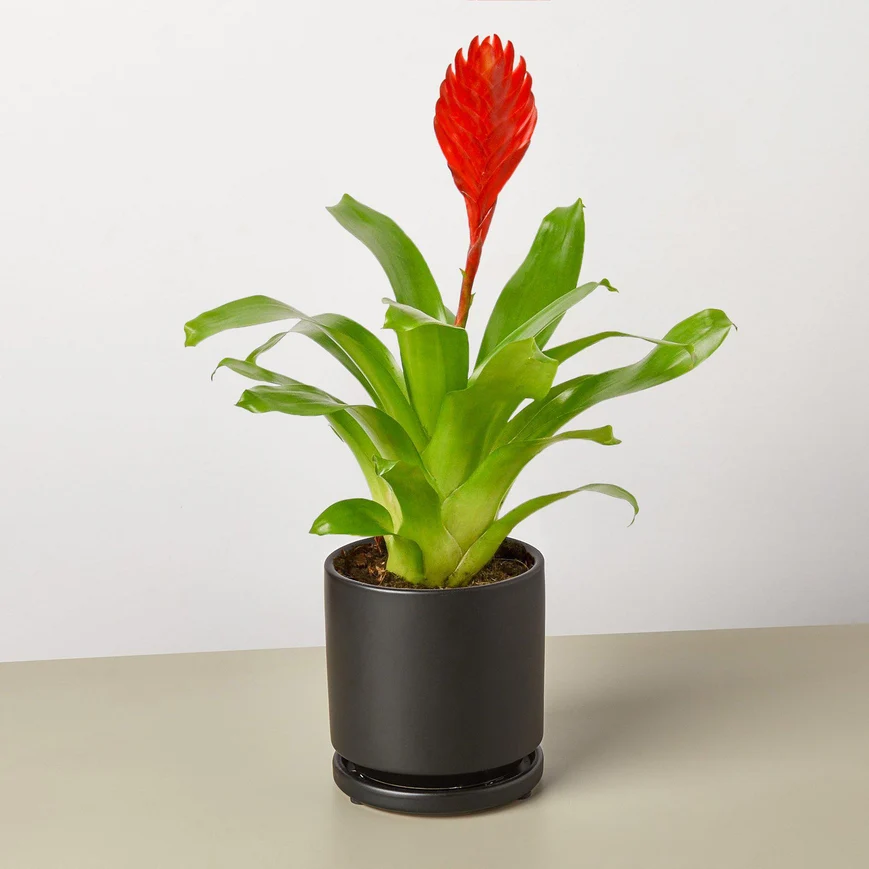
What Does Bromeliad ‘Christiane’ Look Like?
The plant grows as a low, spreading rosette of smooth green leaves.
Instead of growing upward from a normal stem, the leaves overlap tightly at their bases. This creates a natural cup or reservoir in the center of the plant.
When mature, the plant sends up a strong upright flower spike from that center.
The spike is covered with overlapping red bracts, giving it a flat, flame-like appearance. Small yellow flowers may appear between those bracts.
This shape is one reason Vriesea plants are often called flaming sword bromeliads.
‘Christiane’ is also fairly compact. Plants are commonly around 12 to 20 inches tall and wide, although size can vary with age, pot size, and growing conditions.
That makes it a good choice when you want tropical color without buying a plant that will eventually take over half the room.
Can Bromeliad ‘Christiane’ Be Grown Indoors?
Yes. In most of the United States, indoors is actually the easiest place to grow it.
It works well in:
- living rooms
- bedrooms
- bright bathrooms
- home offices
- sunrooms
- enclosed patios
The main requirement is light.
A room can look bright to us while still being too dark for a flowering plant, so location matters.
Best Indoor Light
Give Christiane bright but indirect light.
Good locations include an east-facing window or a bright room where the plant is protected from strong afternoon sun.
A south- or west-facing window can also work, but move the plant back from the glass or use a sheer curtain if the sunlight is intense.
Signs it may need more light
A plant that receives too little light may:
- grow slowly
- produce weak new leaves
- lean toward a window
- take much longer to reach flowering size
Signs it is getting too much sun
Strong direct sun can cause:
- pale patches
- yellow leaves
- dry brown areas
- scorched leaf tips
Morning sun is usually much safer than hot afternoon sun.
Can Bromeliad ‘Christiane’ Grow Outside?
Yes, but this is where climate becomes important.
Vriesea is a tropical genus. Christiane is not a plant I would leave outside where frost is possible.
In Warm Climates
Gardeners in places such as:
- South Florida
- parts of coastal Southern California
- Hawaii
- other warm frost-free areas
may be able to keep it outdoors for much or all of the year.
Give it filtered light rather than an exposed sunny garden bed.
A position under a tree canopy, covered patio, pergola, or other bright shaded area is much closer to the conditions Vriesea prefers.
In Colder Climates
You can still enjoy Christiane outdoors during summer.
Growing it in a container makes this easy.
Move it outside once nights are consistently warm, then bring it back indoors before cold fall weather arrives.
Temperatures around 65°F to 80°F are comfortable for this plant.
I would avoid exposing it to temperatures below about 60°F for long periods, and certainly protect it from frost.
Where Should You Plant It Outside?
Do not choose the hottest part of your garden.
A better location has:
Bright shade
It should receive plenty of light without sitting under intense midday or afternoon sun.
Good airflow
Humid does not mean stagnant. Air movement helps leaves and roots stay healthy.
Excellent drainage
A bromeliad can enjoy moisture without wanting its roots buried in heavy, wet soil.
Protection from cold
A wall, covered patio, or sheltered garden area can help, but it will not make the plant frost-hardy.
For gardeners outside tropical climates, a container is usually a better choice than planting it directly in the ground.
How Much Sun Does Christiane Bromeliad Need?
Think bright shade, not deep shade and not full sun.
Inside, bright indirect light is ideal.
Outside, try:
- filtered light beneath trees
- morning sun followed by shade
- a covered porch
- bright patio shade
Avoid several hours of strong afternoon sun.
How to Water Bromeliad ‘Christiane’
Watering is the part that surprises most first-time bromeliad owners.
Look at the center of the plant.
The overlapping leaves form a natural cup. This is sometimes called the tank, vase, or central reservoir.
For Vriesea, that cup is important.
But this does not mean the potting soil should stay soaked.
There are really two different things to water.
1. The Center Cup
Keep a small amount of clean water in the center of the rosette while the plant is actively growing in warm conditions.
Every week or so, empty or flush out the old water and replace it with fresh water.
That prevents old water from becoming dirty or stagnant.
Rainwater, filtered water, or low-mineral water is useful if your tap water leaves heavy white deposits.
2. The Potting Mix
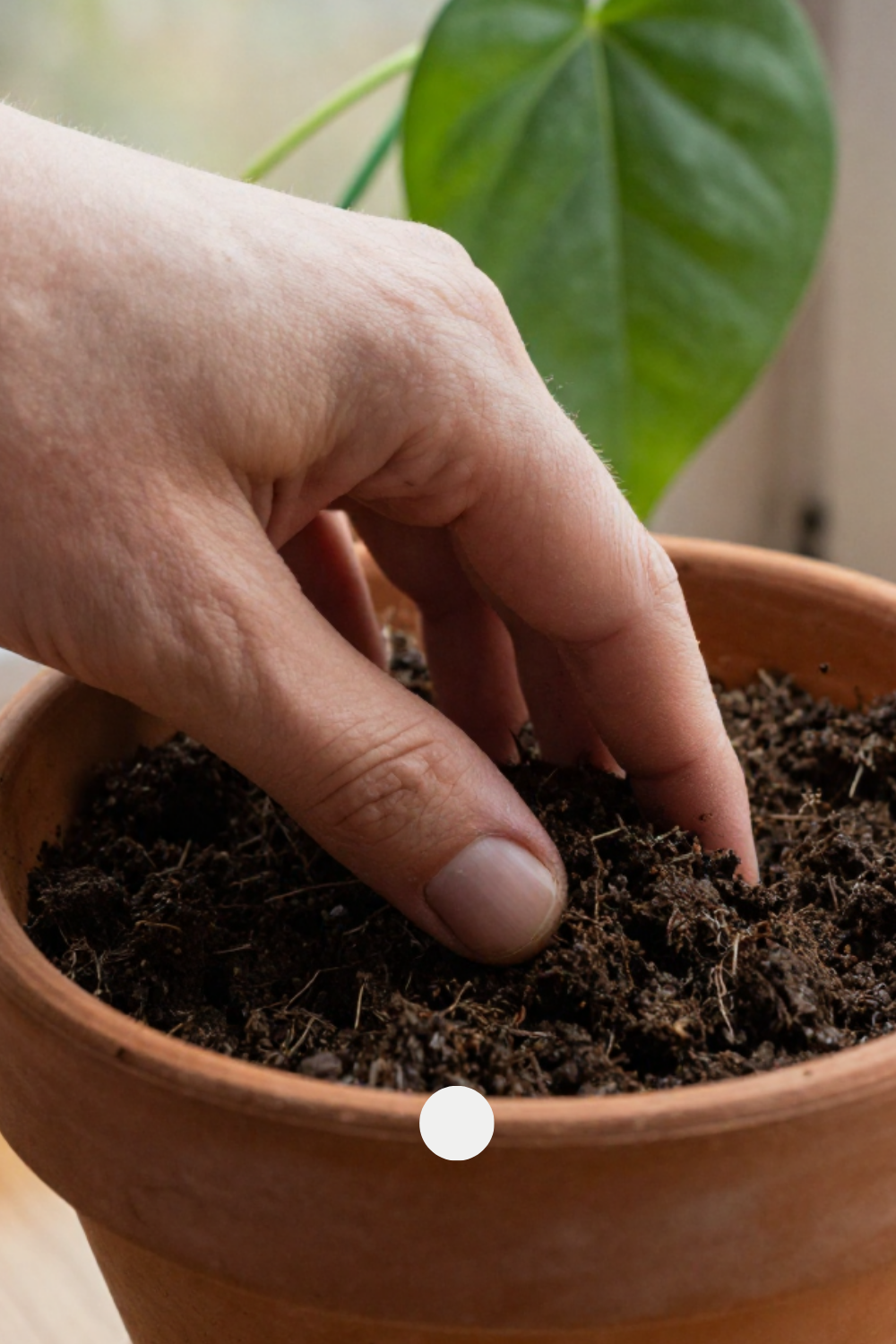
Keep the potting mix lightly moist, but never waterlogged.
Let the upper part of the mix begin to dry before soaking it again.
A pot that stays wet all the time can lead to root and crown problems.
The roots of a Vriesea are not designed to sit in dense, saturated soil.
How Often Should You Water It?
There is no perfect schedule such as “every Tuesday.”
Water use changes with:
- temperature
- humidity
- season
- light
- pot size
- airflow
In a warm, bright home, checking the plant about once a week is a good starting point.
In winter, it may need less water because growth slows and the potting mix takes longer to dry.
The safest habit is to check the plant instead of following the calendar.
What Kind of Water Is Best?
Bromeliads can sometimes show mineral buildup from very hard tap water.
If your water is heavily treated or leaves white crust on faucets and pots, try:
- rainwater
- filtered water
- low-mineral bottled water
Room-temperature water is better than very cold water straight from the tap.
You do not need to make watering complicated, though. If your tap water is reasonably soft and the plant looks healthy, there is no reason to change it.
The Best Soil for Bromeliad ‘Christiane’
Heavy garden soil is a poor choice.
Christiane needs a mix that lets plenty of air reach the roots.
Good options include:
- commercial bromeliad mix
- orchid-based potting mix
- loose houseplant mix with extra bark and perlite
The goal is simple:
Water should pass through easily instead of sitting around the roots.
Always use a container with drainage holes.
Does It Need a Large Pot?
No.
A large pot may actually create more problems than it solves.
Bromeliads usually have much smaller root systems than their leaves suggest. Their roots mainly help anchor the plant.
A pot only slightly larger than the root system is enough.
For many Christiane plants sold as houseplants, a 4- to 6-inch pot works well.
If the plant becomes top-heavy, choose a heavier container rather than automatically moving it into a huge pot.
Does Bromeliad ‘Christiane’ Like Humidity?
Yes.
This is a tropical plant, so moderate humidity suits it well.
Around 40% to 60% indoor humidity is usually comfortable, and it can appreciate somewhat higher humidity as long as air still moves around the leaves.
That is one reason a bright bathroom can be a good location.
You do not need to turn your room into a greenhouse.
If your home becomes very dry during winter, a room humidifier will do more than constantly spraying the leaves.
Best Temperature for Christiane Bromeliad
Normal warm household temperatures are a good fit.
Aim for roughly:
65°F to 80°F
The plant can tolerate some variation, but avoid:
- freezing temperatures
- cold windows in winter
- air-conditioning blowing directly on the plant
- cold drafts
- hot air from heating vents
Consistent conditions are more important than chasing one exact number.
How to Fertilize Bromeliad ‘Christiane’
Christiane does not need heavy feeding.
Too much fertilizer can cause more trouble than too little.
During spring and summer, use a balanced liquid houseplant fertilizer at about one-quarter to one-half of the normal strength every four to six weeks.
During fall and winter, reduce feeding or stop until stronger growth returns.
Avoid allowing fertilizer salts to build up inside the central cup or potting mix.
More fertilizer does not mean a bigger flower.
Does Bromeliad ‘Christiane’ Need Pruning?
Very little.
There is no regular shaping or trimming required.
Remove:
- fully dead leaves
- badly damaged leaves
- the old flower spike after it has finished
If only the tip of a leaf is brown, you can trim the dry part without removing the entire leaf.
Use clean scissors.
How Long Does the Red Flower Last?
The bright red display can remain attractive for weeks.
A bloom display of around six to eight weeks is common, although actual life depends on the age of the plant and conditions in your home.
The reason it lasts longer than many ordinary flowers is that most of what you are looking at is made of tough colored bracts.
The small true flowers do not last nearly as long.
Eventually, the red bracts begin to fade, turn brown, or dry.
That is normal.
It does not mean you killed the plant.
What Happens After Bromeliad ‘Christiane’ Flowers?
This is probably the most important thing to know before buying a bromeliad.
The mother rosette flowers once.
After flowering, it slowly begins to age.
That sounds worse than it really is, because before the original rosette dies, it normally produces small new plants around its base.
These are called:
- pups
- offsets
- plantlets
So although the original rosette does not flower again, the plant continues through its pups.
Should You Cut the Mother Plant Off After Flowering?
Not immediately.
Let it stay in place while the pups grow.
The old plant can continue supporting those young offsets for quite a while.
Only remove the mother once it has clearly declined and the pups are established.
There is no need to rush.
How to Propagate Bromeliad ‘Christiane’
The easiest method is separating pups.
Wait until the young plants have grown to roughly one-third to one-half the size of the mother plant.
Then:
- Remove the plant from its pot if necessary.
- Find where the pup joins the mother plant.
- Separate it carefully with a clean, sharp knife.
- Keep any small roots attached to the pup.
- Plant it in a small pot with airy bromeliad mix.
- Keep it warm and in bright indirect light.
Do not put a tiny pup in a large pot.
Young bromeliads are much easier to overwater when surrounded by too much wet soil.
You can also leave the pups attached and allow several rosettes to form one fuller clump.
How Long Until a Bromeliad Pup Flowers?
Do not expect a new flower within a few weeks.
Young pups need time to reach maturity.
Depending on growing conditions, it can take a couple of years or longer before a new rosette is ready to flower.
Good light is especially important.
A healthy bromeliad sitting in a dim corner may survive but take much longer to reach flowering size.
When Should You Repot It?
Christiane does not need frequent repotting.
In fact, constantly moving it into larger pots can make the growing mix stay wet for too long.
Repot when:
- the potting mix has broken down
- the plant is unstable
- drainage has become poor
- you are separating pups
- you find a root problem
If the plant is healthy and flowering, there is usually no reason to disturb it.
Common Problems With Bromeliad ‘Christiane’
Brown Leaf Tips
Brown tips can come from:
- very dry air
- mineral-heavy water
- too much fertilizer
- inconsistent watering
A few brown tips are not a serious problem.
If they continue spreading, review your water quality and feeding routine.
Pale or Bleached Leaves
This often points to too much direct sun.
Move the plant away from strong afternoon sunlight.
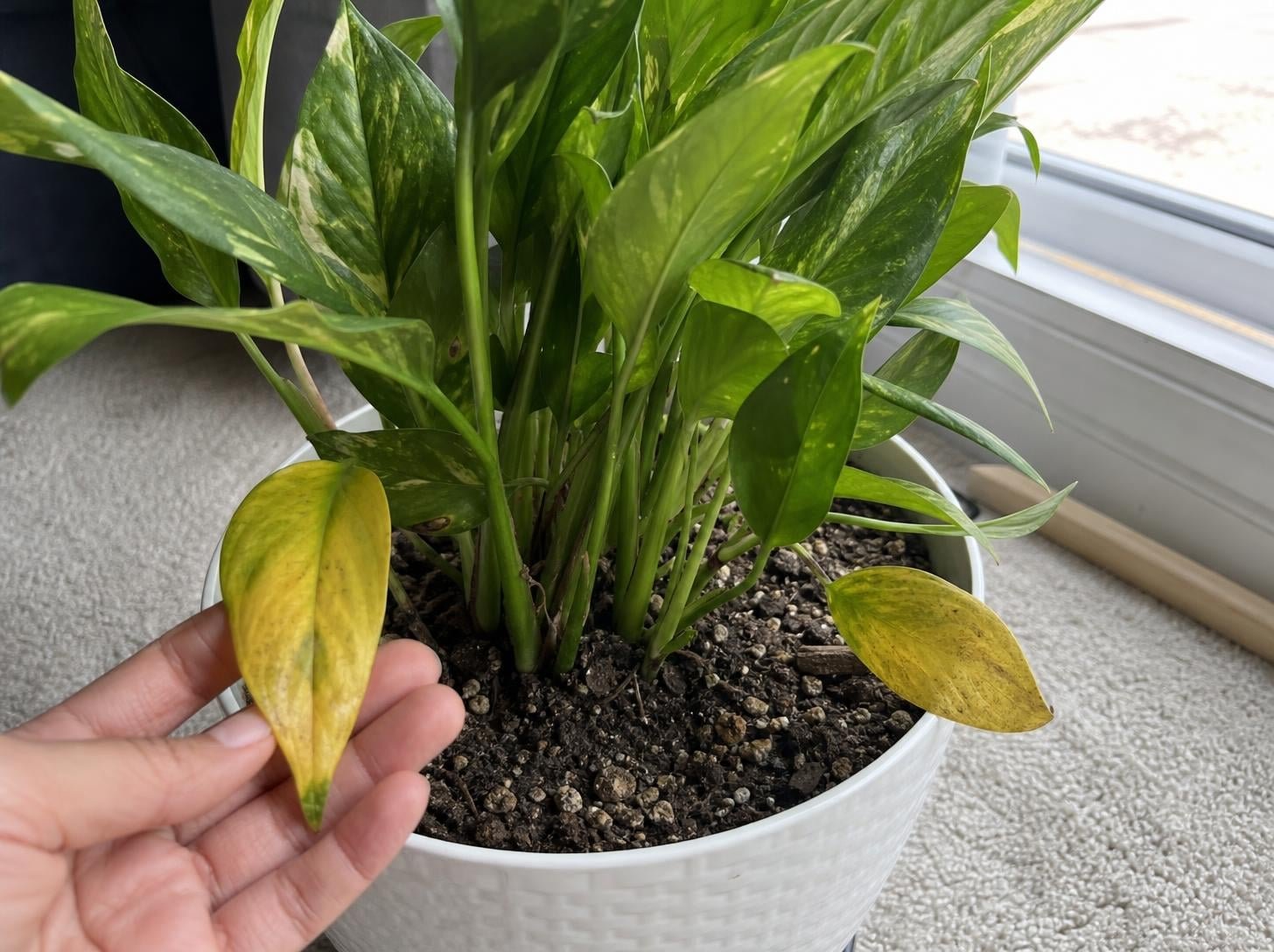
Yellow Leaves
Yellow leaves can have several causes.
An occasional old lower leaf turning yellow is normal.
Several yellow leaves at once may point to:
- overly wet soil
- poor drainage
- cold conditions
- root stress
Check the pot before adding more water.
Soft or Mushy Base
This is more serious.
A soft, dark, or foul-smelling base may indicate rot caused by excess moisture, stagnant water, or cold conditions.
Stop watering the potting mix and inspect the affected area.
Healthy bromeliad tissue should feel firm.
Brown Flower Spike
If the plant has been flowering for several weeks or months, browning is usually part of the normal end of the flowering cycle.
Cut the spike off once it has lost its color and dried.
Then watch for pups near the base.
Bad-Smelling Water in the Center
The water has probably been sitting too long.
Empty it, rinse the cup, and refill with clean water.
Refreshing the central reservoir regularly helps prevent this problem.
Pests to Watch For
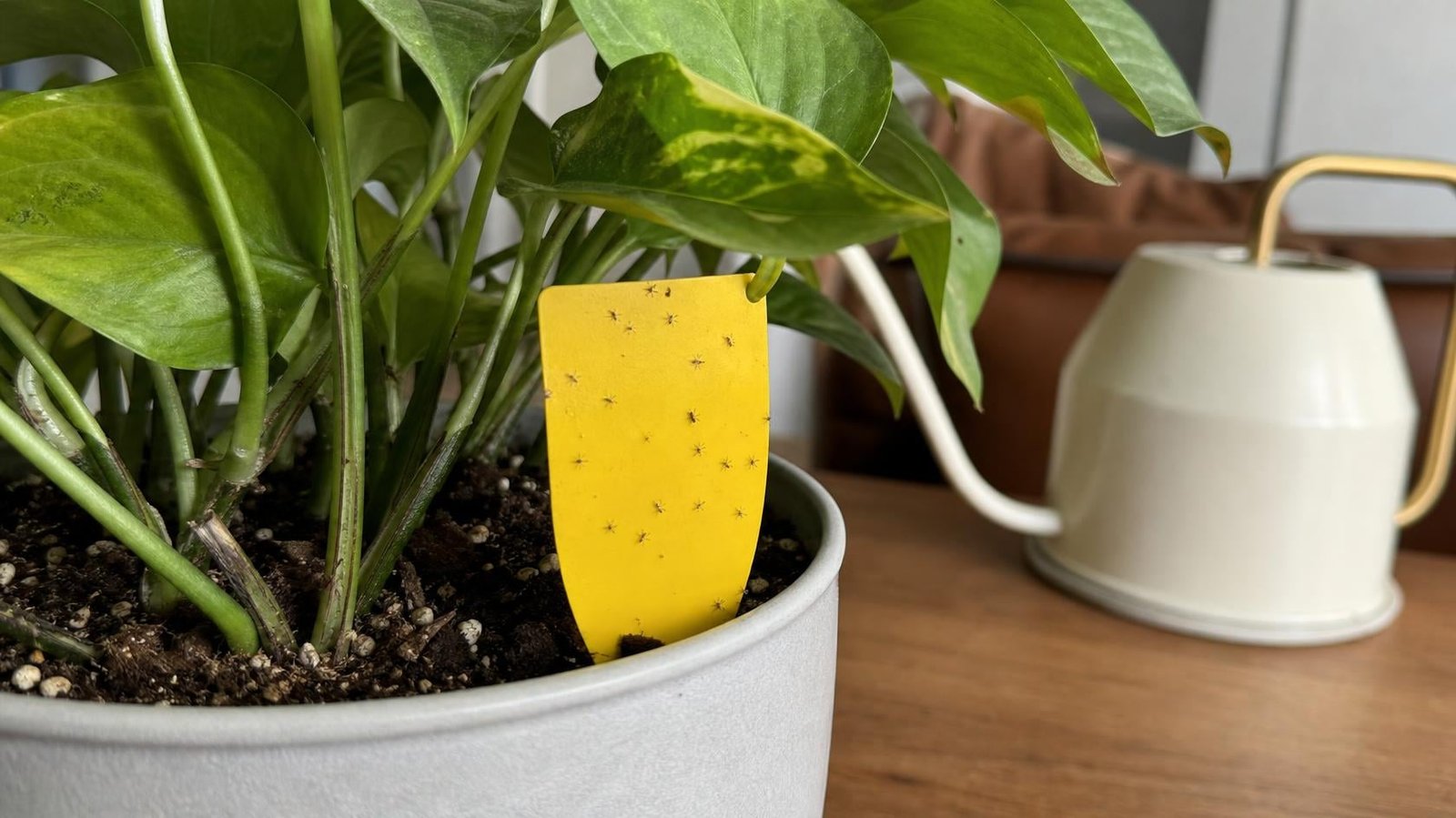
Christiane is not especially pest-prone, but indoor plants can sometimes develop:
- mealybugs
- scale insects
- aphids
Check:
- where leaves overlap
- the underside of leaves
- around the base
- around the flower stalk
Small infestations can often be removed by wiping the insects away.
For larger problems, use a houseplant product labeled for the pest and follow the label directions.
Is Bromeliad ‘Christiane’ Pet-Friendly?
Bromeliads are generally considered among the safer houseplant groups for homes with pets.
However, Vriesea ‘Christiane’ does not appear to have its own separate ASPCA entry, so it is better not to claim that this exact cultivar has been individually tested.
The safest wording is:
Vriesea bromeliads are generally regarded as pet-friendly, but pets should still be discouraged from chewing the leaves.
Even a non-toxic plant can cause stomach upset if an animal eats enough of it.
Is It a Good Plant for a Patio?
Yes, especially a shaded or partly shaded patio.
It works very well as a container plant because you can control:
- sunlight
- drainage
- watering
- cold exposure
And if winter temperatures drop too far, you can simply bring it inside.
A covered porch with bright morning light is close to ideal in many climates.
Can You Plant It Directly in the Garden?
You can in a warm, frost-free climate.
Choose a location with:
- filtered light
- rich but very well-drained soil
- warm temperatures
- protection from hot afternoon sun
In most of the continental United States, keeping it in a pot is easier.
That lets you move the plant when weather changes.
Can It Grow Under Trees?
Yes.
A bright area below an open tree canopy can give it the dappled sunlight it likes.
Avoid very dark areas under dense evergreen trees, where there may not be enough light for good growth.
Also remember that tree roots can create very dry soil. Keeping Christiane in its own container solves that problem.
Is It Good for Small Gardens?
Very much so.
It does not need a large bed or deep root space.
Its compact shape also works well where you want one strong color accent instead of a large mass of foliage.
Good Places to Use Bromeliad ‘Christiane’
Christiane works particularly well:
On a shaded front porch
The red flower spike adds color without needing full sun.
On a covered patio
Warm weather, bright shade, and outdoor humidity suit it well.
In a bright bathroom
It gets the added humidity it enjoys.
On a living-room plant stand
Its upright flower does not require much floor space.
In a tropical container garden
Pair it with plants that also enjoy warm temperatures and filtered light.
Under a tree in frost-free climates
The tree canopy can provide the broken sunlight bromeliads prefer.
Good Companion Plants
For an indoor tropical group, Christiane can sit near:
- orchids
- other bromeliads
- prayer plants
- peperomias
- tropical ferns
They do not all need identical watering, so separate pots are usually easier than planting everything in the same container.
For outdoor displays, other bromeliads make particularly easy companions because their light and drainage needs are often similar.
Is Bromeliad ‘Christiane’ Easy to Grow?
For most people, yes.
The plant is not demanding once three things are right:
Do not bake it in full sun.
Do not keep the roots in soggy soil.
Keep it warm.
The unusual central-cup watering method takes a little getting used to, but after that the routine is simple.
It also needs almost no pruning and very little fertilizer.
Is Bromeliad ‘Christiane’ a Good Plant for Beginners?
Yes, with one warning.
A beginner who treats it like a normal flowering houseplant may keep watering the soil until it stays wet.
That is where trouble starts.
Remember that a bromeliad takes much of its water through its central rosette, while its relatively small root system needs plenty of air.
Once you understand that difference, Christiane is quite manageable.
Frequently Asked Questions
Does Bromeliad ‘Christiane’ need direct sunlight?
No. Bright indirect light is better. A little gentle morning sun is usually fine, but strong afternoon sun can burn the leaves.
How often should I water Bromeliad ‘Christiane’?
Check it about once a week as a starting point. Keep some fresh water in the center cup during warm active growth, and keep the potting mix lightly moist rather than soaked.
Can I grow it outdoors in the United States?
Yes. It can stay outdoors year-round in warm, frost-free climates. In colder regions, grow Christiane in a container and bring it indoors for winter.
Will Bromeliad ‘Christiane’ survive frost?
No. It is a tropical plant and should be protected from frost and prolonged cold.
Does the mother plant die after flowering?
Yes, eventually. Each rosette flowers once and then slowly declines. Before that happens, it normally produces pups that continue the plant.
Can I make the same rosette flower again?
No. The original rosette will not produce another flower spike. Future flowers come from new pups after they mature.
Should the center of the bromeliad always have water?
During warm active growth, Vriesea normally keeps water in its central cup. Refresh that water regularly rather than allowing it to become stagnant. Reduce moisture if the plant is being kept unusually cool.
Why is my red flower turning brown?
If it has been colorful for several weeks, this is usually normal aging. The red bracts do not last forever. Once the spike has completely faded, cut it off and look for pups forming near the base.
Does Christiane Bromeliad need high humidity?
It likes moderate humidity but does not require greenhouse conditions. Normal indoor humidity around 40% to 60% is usually enough.
Can it live in a bathroom?
Yes, as long as the bathroom has enough natural light. Humidity alone cannot make up for a dark room.
Can I use regular potting soil?
Regular potting soil by itself may hold too much water. A bromeliad mix or airy orchid-style mix is safer.
Is Christiane Bromeliad pet-friendly?
Vriesea and other bromeliads are generally considered low-risk plants around pets, although this exact cultivar does not have its own ASPCA listing. It is still best to keep pets from chewing any houseplant.
Is Bromeliad ‘Christiane’ Right for Your Home or Garden?
Bromeliad ‘Christiane’ is a good choice if you want a compact plant with strong color but do not want something that needs constant pruning, feeding, or repotting.
It is especially well suited to a bright room, shaded patio, covered porch, or warm tropical garden.
The biggest limits are cold weather and strong direct sun.
If you live somewhere with frost, that does not rule it out. Keep it in a pot, enjoy it outside during warm weather, and move it indoors when temperatures begin to drop.
And when the red flower finally fades, do not throw the plant away.
Look near the base first.
Those small pups are the next generation of the plant and, given enough time, each one can eventually produce a red flower spike of its own.