Snake plants have a reputation as the plant you cannot kill. So when yours starts to droop, turn yellow, or go soft at the base, it feels strange. What did you do wrong?
Most of the time, the answer is the same: too much water. University of Vermont Extension says overwatering is the main risk for snake plants because it causes root rot. Penn State Extension says the same thing, and adds that a snake plant can handle going a month without water. Illinois Extension goes even further and says that if someone cannot grow this plant, they are probably overwatering it.
That is good news, because it is easy to fix. This guide shows you how to spot the problem, how to save a plant that is already in trouble, and the simple care routine that keeps a snake plant healthy for years.
The Short Answer
A dying snake plant is usually caused by one of these:
- Too much water, which leads to root rot. This is the most common cause by far.
- A pot with no drainage holes, or soil that stays wet.
- Cold, from a chilly window or draft. Keep it above 55 degrees Fahrenheit.
- Too little light for a long time. Snake plants tolerate low light, but they do not thrive in a dark corner.
- Direct, hot sun that burns the leaves.
If the base of the plant is soft, mushy, or smells bad, act fast. Take it out of the pot, cut away the rotten roots, and replant it in dry, fresh soil. The steps are below.
1. Overwatering and Root Rot
Snake plants come from dry, warm parts of Africa, and they store water in their thick leaves. That is why they handle missed waterings so well. It is also why they struggle when the soil stays wet. The roots need air, and in soggy soil they run out of it and begin to rot.
University of Connecticut Extension calls root rot from overwatering the most common way to kill a snake plant.
Signs of Root Rot
- Leaves turn soft, mushy, or limp, usually starting near the base.
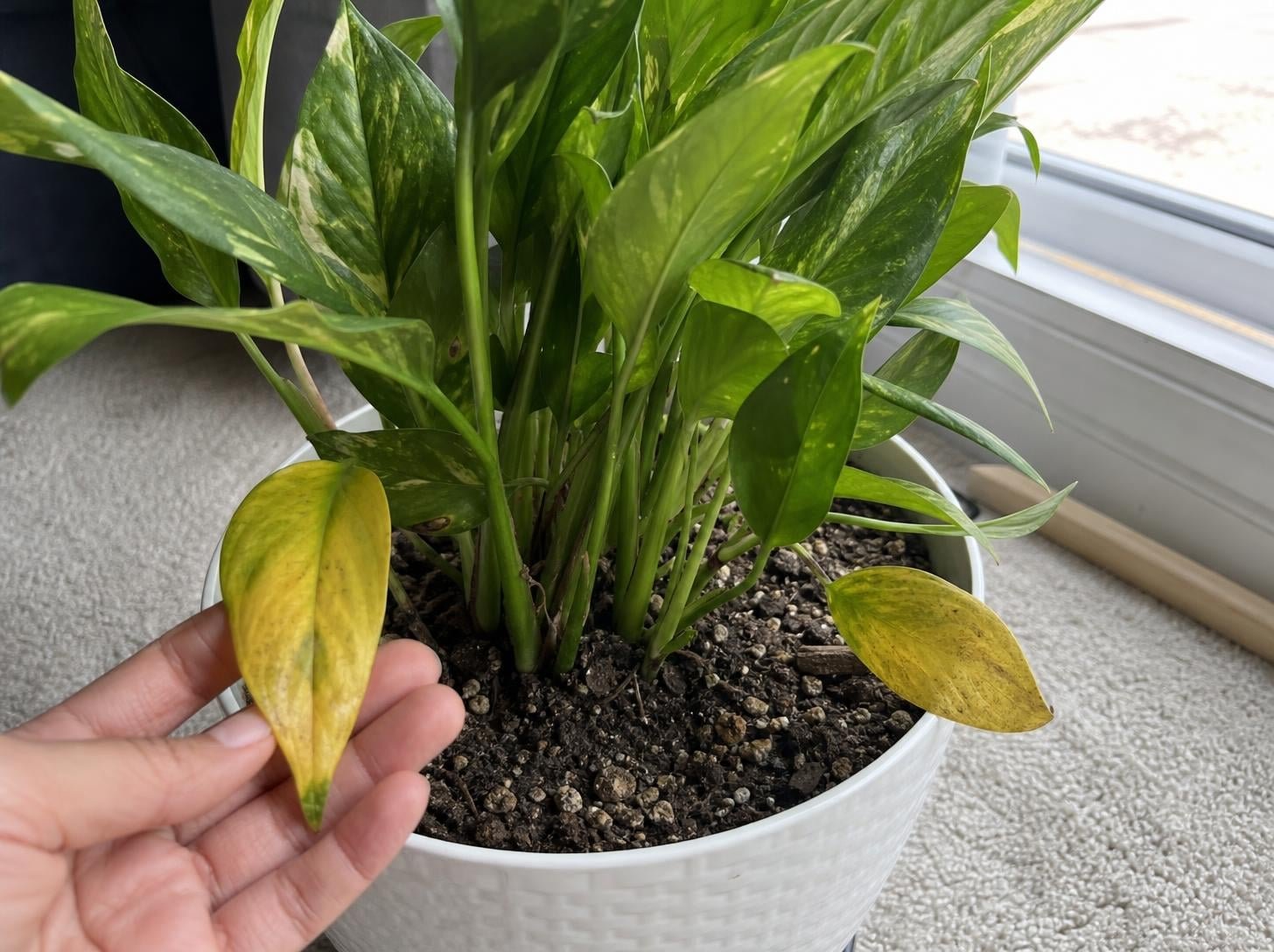
- Leaves turn yellow or brown and may fall over.
- The base of the plant feels squishy.
- The soil smells sour or musty.
- Growth stops.
Not sure whether your plant is getting too much or too little? Our 30-second overwatered or underwatered check will help you tell.
How to Save a Snake Plant with Root Rot
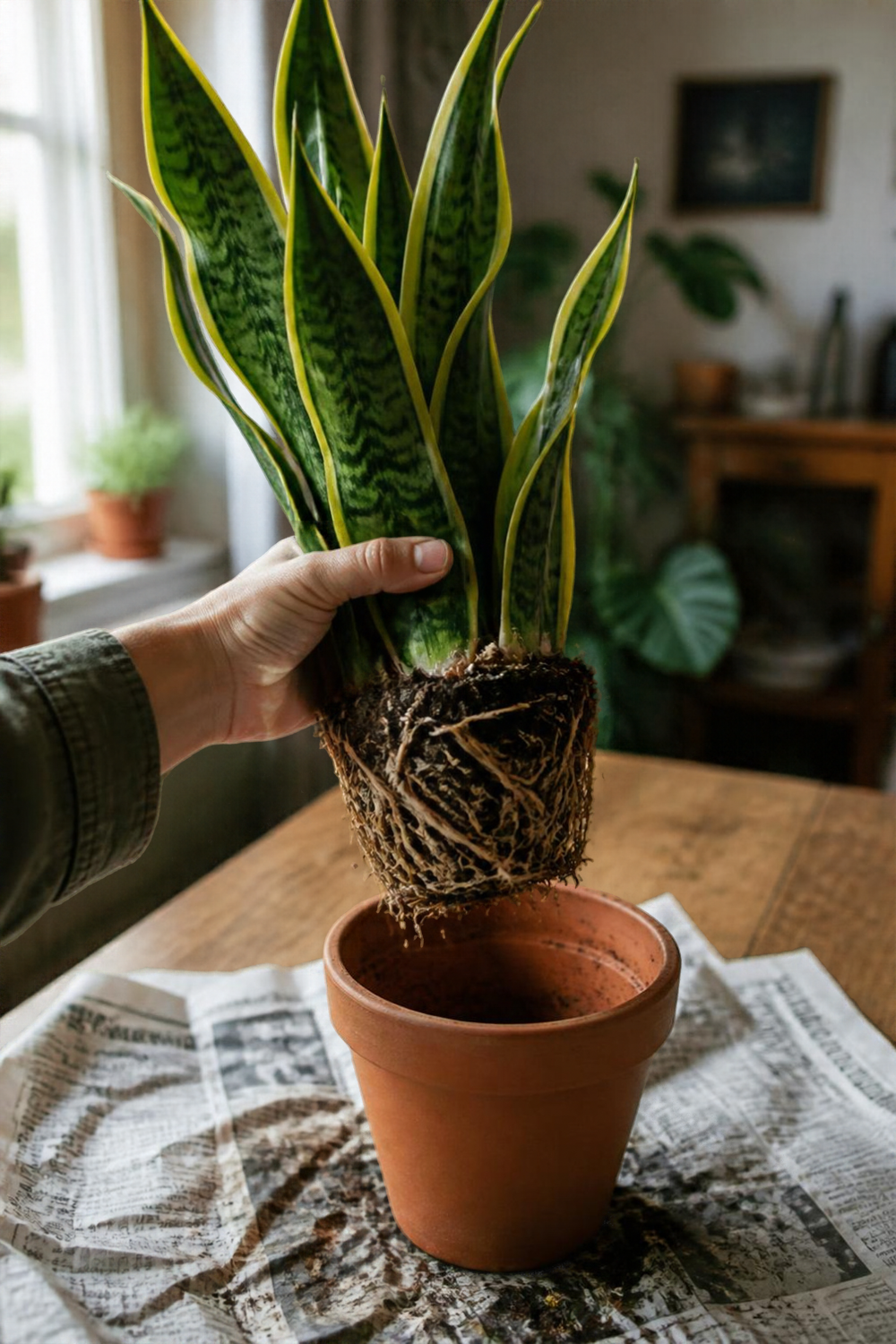
- Take the plant out of the pot and shake off the wet soil.
- Look at the roots. Healthy roots are firm and light in color. Rotten roots are dark, soft, and may smell bad.
- Cut off all the rotten roots with clean scissors or pruning shears. Cut off any soft, mushy leaves at the base too.
- If very little healthy root is left, you may need to cut off the rotten bottom and start over from the healthy part of the plant. See the propagation section below.
- Let the plant sit out of the soil for a day or so, so the cut areas can dry.
- Repot into a clean pot with drainage holes, using fresh, dry, well-draining soil. Do not reuse the old soil.
- Wait about a week before watering, then water lightly.
Our guide on how to repot a plant in 9 steps covers the basics of moving a plant to a new pot.
A plant with some healthy roots left has a good chance. A plant with a completely rotten base is harder to save, but you can often start a new plant from one healthy leaf.
2. The Wrong Pot or the Wrong Soil
Even if you water correctly, the wrong pot can hold water where it should not. Penn State Extension and Mississippi State University Extension both say to use a pot with drainage holes. Both also recommend a well-draining mix, such as a cactus or succulent mix. Penn State also mentions mixes that contain perlite.
A few tips:
- Never leave a snake plant sitting in a saucer of water. Pour out any extra after watering.
- If a decorative pot has no holes, keep the plant in a plain plastic pot inside it, and lift it out to water.
- Do not use regular garden soil or a rich, moisture-holding mix on its own.
Plastic or Clay?
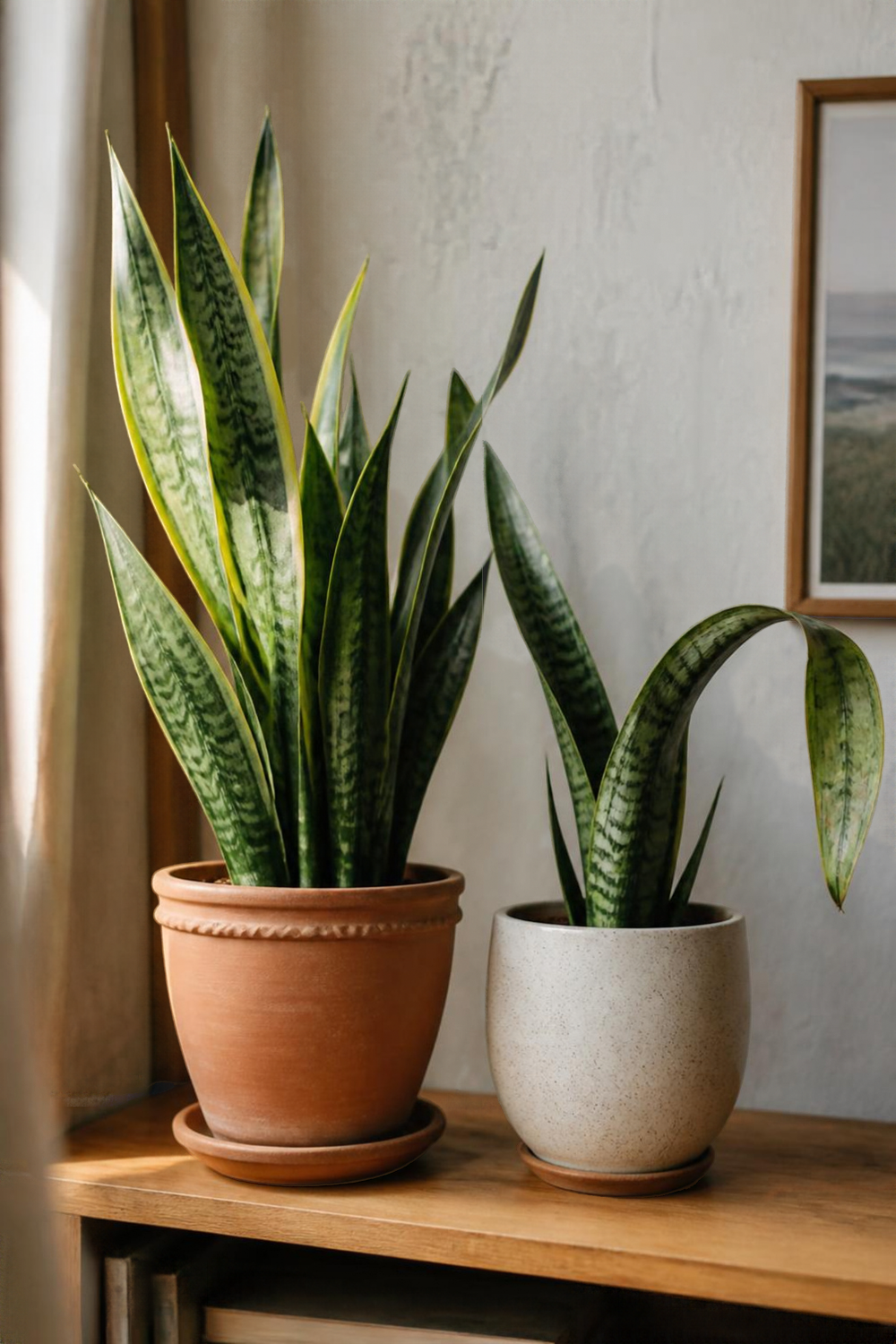
University of Connecticut Extension recommends plastic pots for snake plants. The reason is that the plant's growing roots and new leaves can crack or push out clay and ceramic pots. Penn State makes a similar point, saying a clay pot can crack if the roots get badly crowded. If you like the look of clay, put a plastic pot inside it.
Penn State also notes that a heavy pot helps tall varieties stay upright, so a plastic pot inside a heavier outer pot works well for big plants.
3. How Often to Water a Snake Plant
There is no perfect schedule, because light, pot size, and room temperature all change how fast the soil dries. Extension sources give a range to start from.
- Clemson Cooperative Extension suggests watering every 2 to 4 weeks in the growing season, and every 4 to 6 weeks in fall and winter. Plants in brighter light need water more often.
- University of Connecticut Extension suggests letting the soil dry out between waterings in warm months, then watering thoroughly. In winter, it says about once a month.
- Illinois Extension and Mississippi State University Extension both say to let the soil dry out completely between waterings.
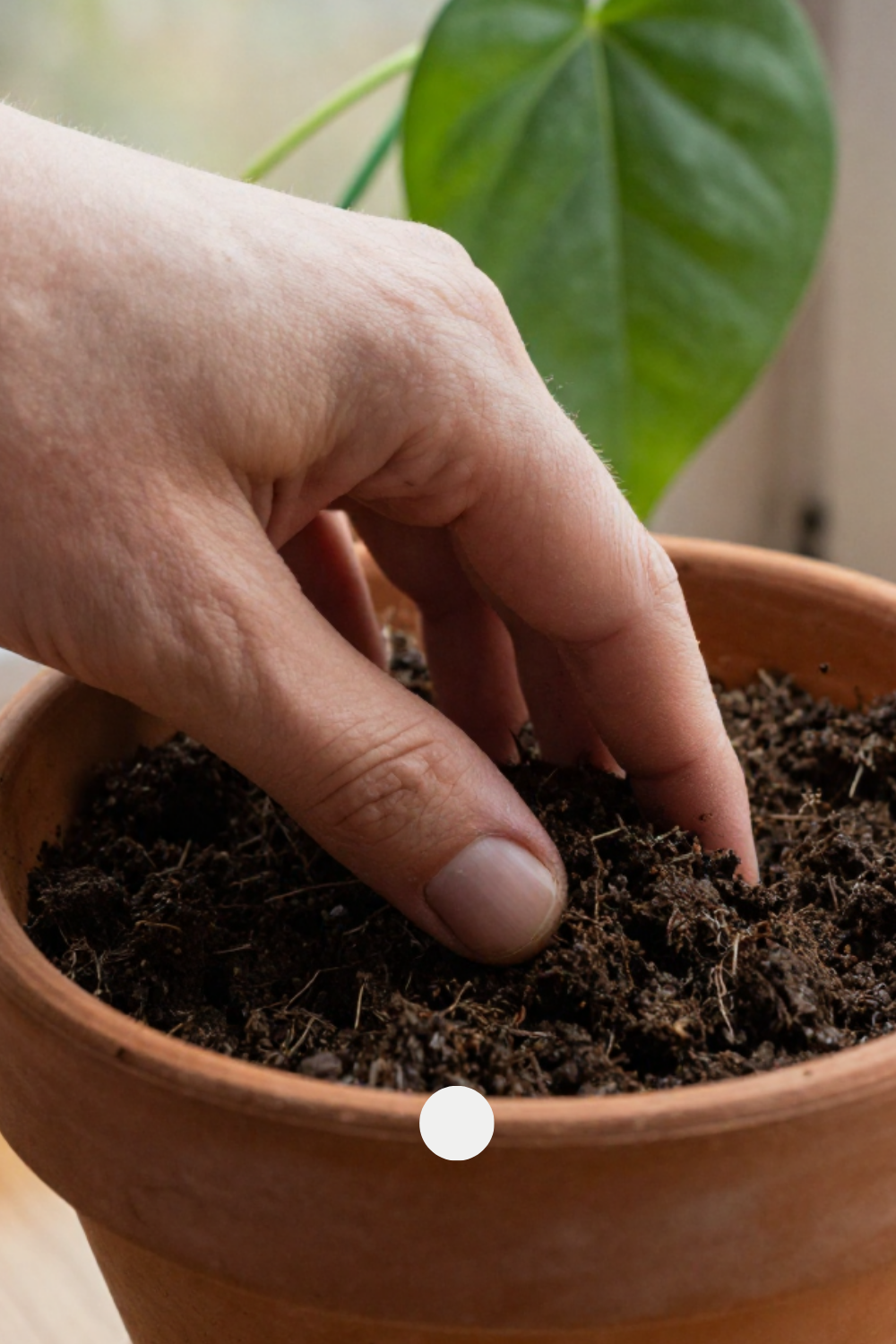
The simple rule: check the soil first. Push a finger deep into the pot. If any of it feels damp, wait. When it is dry all the way down, water the soil well, let the extra drain out, and do not water again until it is dry once more.
Clemson Extension adds to err on the side of caution. If you are unsure, wait a few more days. A snake plant will forgive a late watering far more easily than an early one.
4. Not Enough Light
Snake plants tolerate low light better than most houseplants. That is why they are so popular for offices and dark rooms. But tolerating low light is not the same as loving it.
University of Connecticut Extension warns that a plant left in a dark spot will slowly weaken, because it needs some light to make energy. Snake plants in low light grow more slowly and use less water, which makes overwatering even easier. Clemson Extension notes the same thing: in low light the plant grows slowly and needs less water.
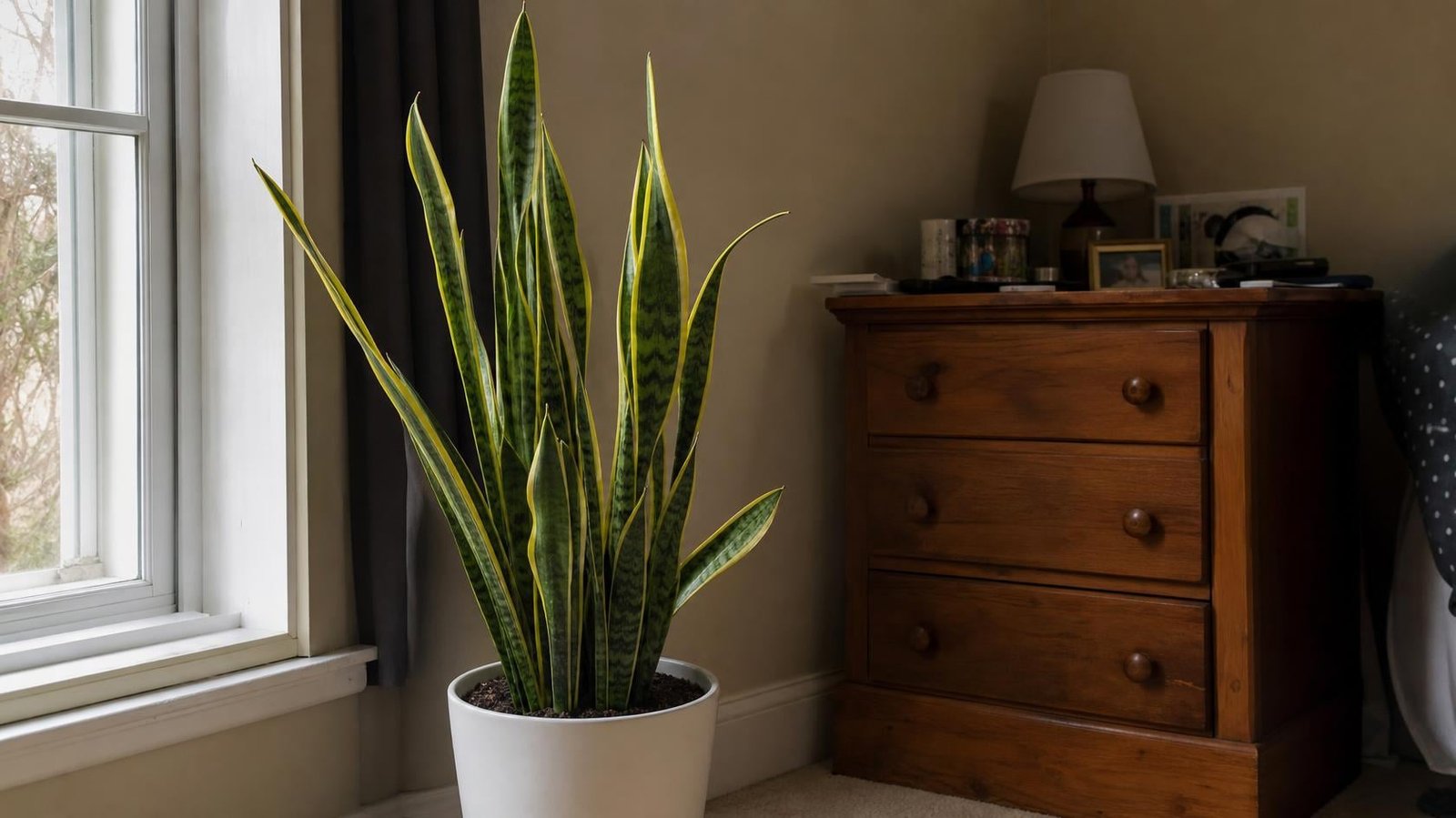
Bright, indirect light is the best choice. That means a spot near a window where the sun does not hit the leaves directly for hours at a time. If your plant looks pale, stretched, or stops growing, move it closer to a window. Our list of the best low light indoor plants can help if you are working with a dim room.
5. Too Much Direct Sun
The opposite problem is less common, but it happens. Penn State Extension and Clemson Extension both warn that direct, hot sun can scorch the leaves. Mississippi State University Extension says the same about direct afternoon sun.
Scorched leaves show dry, pale, or brown patches. If you see these, move the plant a little farther from the window, or use a sheer curtain. The brown patches will not turn green again, but new leaves will grow in healthy once the plant is in a better spot.
6. Cold Damage
Because snake plants come from warm climates, they do not handle cold well. University of Connecticut Extension says to keep them above 55 degrees Fahrenheit. Mississippi State University Extension says they do best between 60 and 85 degrees, and they advise keeping them away from cold drafts and chilly windows in winter.
If you moved your plant near a window in winter and the leaves went soft or dark, cold may be the cause. Move it back into the room, away from the glass and from drafty doors, and cut off any badly damaged leaves.
7. Dust, Pests, and Other Small Problems
Dusty Leaves
The wide, flat leaves collect dust, which blocks light. University of Connecticut Extension suggests wiping them with a cloth, or rinsing the plant outdoors in warm weather. Penn State also recommends dusting the leaves from time to time. A quick wipe every month or two is enough.
Pests
Snake plants rarely have pest problems. Illinois Extension says very few pests bother them. Penn State Extension says mealybugs and spider mites sometimes show up. If you see white cottony spots or fine webbing, wipe the leaves with a damp cloth and check the plant again every few days. For other pests and sprays, read our guide to organic bug sprays and natural solutions.
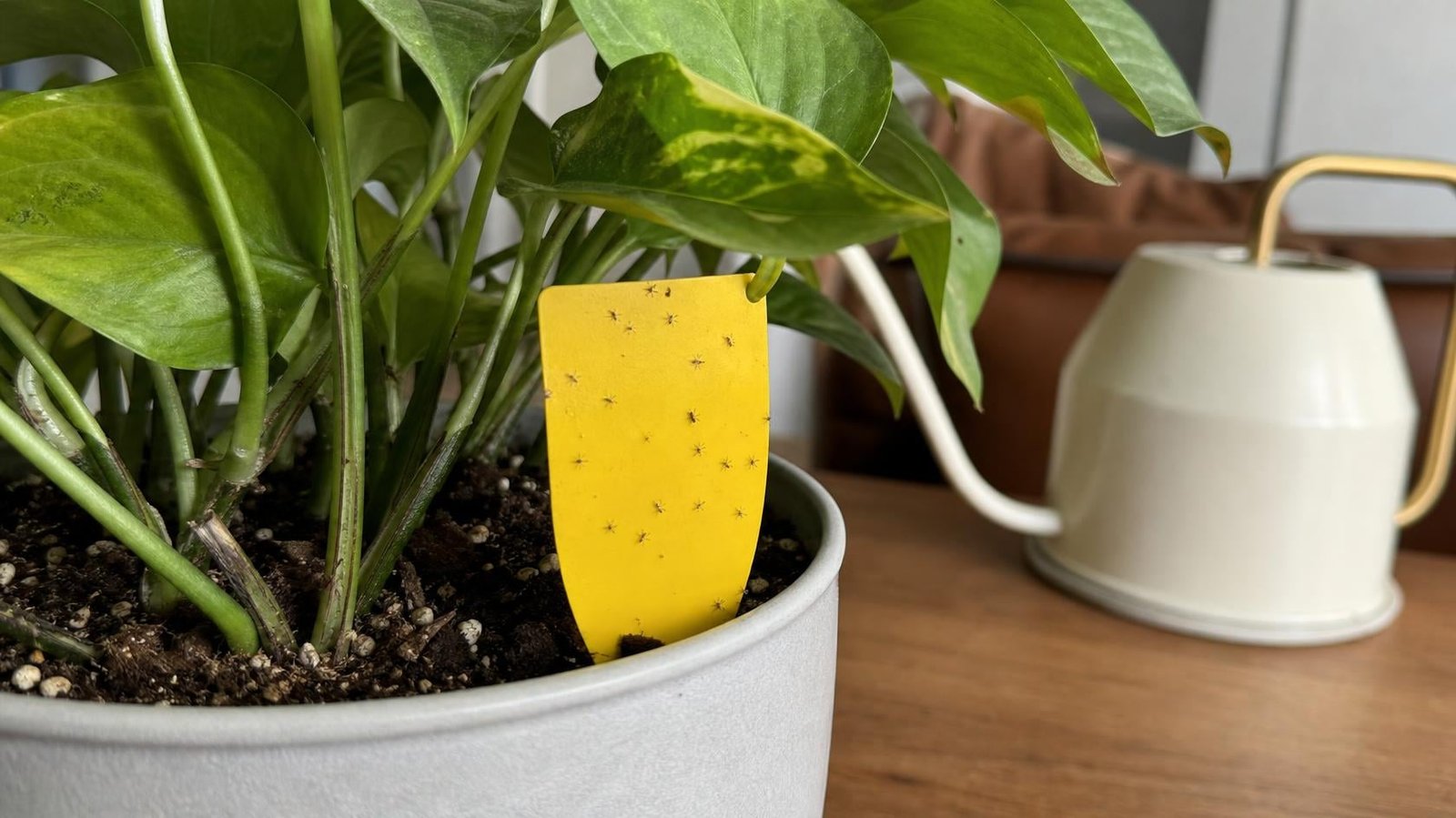
If you see tiny flies hovering over the soil, that is a different problem, and it usually means the soil is too wet. Our guide on getting rid of fungus gnats shows what to do.
Damaged Leaves
Penn State Extension says to cut damaged leaves off at the soil line. Use clean scissors or shears, and cut as close to the soil as you can. A leaf that is bent, broken, or mushy will not heal.
A Simple Care Routine That Works
Once your snake plant is back on track, a few habits keep it that way.
- Light: bright, indirect light if you can, low light if you must.
- Water: only when the soil is dry all the way through. Less in winter.
- Soil and pot: a cactus or succulent mix, in a pot with drainage holes.
- Temperature: normal room temperatures, and never colder than about 55 degrees.
- Food: Penn State Extension suggests feeding about once a month in the growing season with an all-purpose fertilizer mixed to half strength. You can skip this and the plant will still survive.
- Repotting: Penn State suggests about every five years. Snake plants are fine being snug in their pots.
For more on building good habits, see our beginner's guide to houseplant care, and our list of common houseplant mistakes.
How to Grow More Snake Plants from One
If your plant is in bad shape, or if it is simply doing well and you want more, snake plants are easy to multiply.
Division
Penn State Extension calls division the most reliable method. When you repot, you may see the plant has produced offshoots, or pups. Gently pull or cut the plant into sections, making sure each section has roots, and pot each one separately. University of Connecticut Extension prefers this method as well.
Leaf Cuttings
You can also start new plants from leaves. Illinois Extension describes cutting a leaf crosswise into pieces about 2 inches long, then pushing them into moist soil. Keep each piece the right way up, with the end that was closest to the roots pointing down. University of Connecticut Extension notes that leaf cuttings can also be rooted in water, changed daily.
Leaf cuttings take a while to grow, so be patient.
Is a Snake Plant Safe for Pets?
No. The ASPCA lists snake plant as toxic to both cats and dogs. It contains saponins, and eating it can cause nausea, vomiting, and diarrhea. Penn State Extension also notes that all snake plant species are toxic to pets.
If you think your pet chewed on the plant, call your vet or the ASPCA Animal Poison Control Center at (888) 426-4435. A fee may apply. If you have pets that like to chew, our guides to non-toxic indoor plants that are safe for pets and pet-friendly plants list good alternatives.
Frequently Asked Questions
Why are my snake plant leaves drooping?
Most often it is overwatering and root rot. Check the soil and the base of the plant. It can also be cold, or a very dark spot that has weakened the plant over time.
Can a snake plant recover from root rot?
Yes, if some healthy roots are left. Cut off the rotten parts, repot into dry, fresh, well-draining soil, and wait a week before watering.
Why are my snake plant leaves turning yellow?
Overwatering is the top cause. Check the soil and the roots. If you want to look at other possibilities, our guide on why houseplant leaves turn yellow covers them.
How often should I water a snake plant in winter?
Much less than in summer. Extension sources suggest anywhere from once a month to every four to six weeks, depending on your light and your room. Always check that the soil is dry first.
Does a snake plant need direct sun?
No. Bright, indirect light is best. It tolerates low light, but direct hot sun can scorch the leaves.
Should I fertilize my snake plant?
You do not have to. If you want to, feed about once a month in spring and summer with an all-purpose fertilizer diluted to half strength.
Will my snake plant flower?
It might. Mississippi State University Extension says mature plants may send up a tall stalk with small, fragrant, star-shaped flowers, usually in winter or early spring. Plants are more likely to bloom when they are slightly root-bound and get bright, indirect light.
Is a snake plant the same as Sansevieria?
Yes. Clemson Extension notes that botanists moved the plants from the genus Sansevieria into the genus Dracaena in 2017. You will see both names, and the care is the same.
Final Thoughts
Snake plants are tough, but they have one weak spot: wet soil. Water only when the soil is completely dry, use a pot with drainage holes, and give the plant decent light. Do those three things and most problems never start.
If your plant is already struggling, check the roots first. A quick look will tell you whether you are dealing with rot or something simpler.
References
- Penn State Extension: Snake Plant, a Forgiving, Low-maintenance Houseplant
- University of Connecticut Home and Garden Education Center: Sensational Sansevieria
- Mississippi State University Extension: Sansevieria, Stylish House Plant for Everyone
- University of Illinois Extension: A Houseplant Anyone Can Grow, Mother-in-Law's Tongue
- Clemson Cooperative Extension: Exciting Houseplant Selections for Beginners
- University of Vermont Extension: Houseplants for the Dorm Room
- ASPCA: Snake Plant